Star Note Lookup
Enter your star note details below to find its production run, rarity classification, and estimated value.
Where do I find these on my bill?
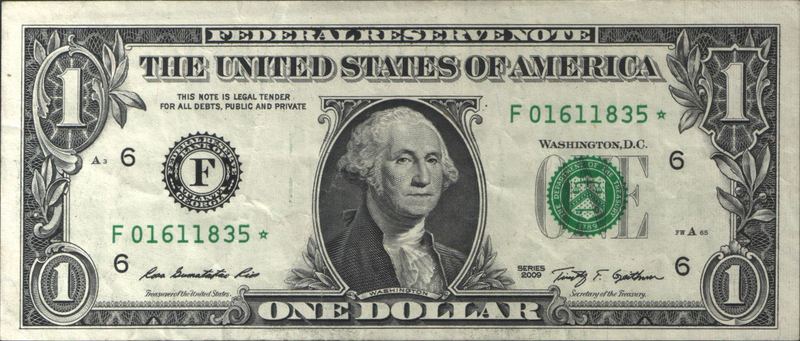
- Denomination: The face value on your bill ($1, $5, $20, etc.)
- Series: The year + letter printed near “Series” on the front — e.g., 2017A or 2013
- Serial Number: The green alphanumeric code ending in — enter the full thing including the first letter(s)
$1 & $2: Serial starts with 1 letter (FRB district). $5 and up: Starts with 2 letters (series prefix + FRB district).
Image: U.S. Bureau of Engraving and Printing (public domain)
How to Use This Tool
- Select the denomination — the face value of your bill ($1, $2, $5, $10, $20, $50, or $100).
- Select the series year — found on the front of the bill near the bottom-left (e.g., “Series 2017A”).
- Enter the serial number — the green number on the front of the bill that ends with a star (★). Include the letter prefix.
How to Find Your Serial Number
The serial number appears twice on the front of every U.S. bill — once in the upper-right area and once in the lower-left. For star notes, it ends with a star symbol (★) instead of a letter.
For $1 and $2 bills, the serial starts with a single letter (A-L) indicating the Federal Reserve Bank district. For $5 and above, it starts with two letters — the first indicates the series and the second indicates the FRB district.
What Makes a Star Note Valuable?
The primary factor is print run size. Smaller print runs mean fewer notes exist, making them rarer and more valuable to collectors. Runs of 640,000 or fewer are generally considered rare.